






Leading customizers and manufacturers
Featuring “custom” personalization, the show will give visibility to the world of artisans and artists who invent, create and implement new trends and styles. Following the 90 professional customizers who exhibited last year from all over Italy, the 2022 edition will feature an even greater number of talents. Also present will be many of the major motorcycle manufacturers with their new ranges, and there will be opportunities to test new models on the road.
Vintage scooters and accessories
Also of the highest level will be the exhibition of spectacular restored and customized American vintage cars and the participation of leading Italian four-wheeled custom creators. The novelty of the new edition will be the Kickstart Classic Scooter Contest, an event within the event dedicated to vintage scooters and aimed at the many fans of Vespas and Lambrettas. The lineup will also include producers and distributors of accessories, designers of unique clothing and outlets for gastronomy, drink & food, barbers, make-up and body paint.
Hollywood star Jason Momoa
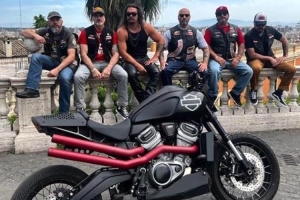
Harley-Davidson, Indian, BMW, MV Agusta, Ducati, KTM, Triumph and Royal Enfield are among the brands confirmed to date, together with the main aftermarket companies and national customizers. Custom Japan will also be present with art, handicrafts and photographic exhibitions, the show will have the collaboration of the Rumblers and Puerto Rican V8 clubs, and Hollywood star Jason Momoa, who recently filmed Fast and Furios 10 on a Harley-Davidson Pan America 1250 transformed into a streetfighter, has declared his intention of participating.
More info: www.eternalcitycustomshow.com
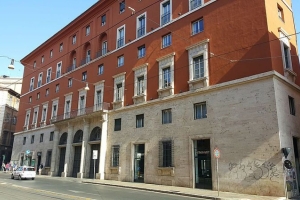
The former PCI headquarters in Rome’s central Via Botteghe Oscure is to become a five-star hotel. The entrance hall of the building that housed the Italian Communist Party for many years, designed by Giò Pomodoro, and with the five-pointed gold star embedded in the floor, will remain as it is. As will the bust of PCI founder Antonio Gramsci set into the marble wall, and the flag of the Paris Commune on display.
A 70-room hotel with a terrace
The historic building in Via delle Botteghe Oscure, which is next to the Largo Argentina archaeological site, is soon to become a 70-room five-star hotel with a terrace and restaurant. The announcement came from Giampaolo Angelucci, president of the Tosinvest financial company, owner of the property, who said he had signed a lease agreement with the Rossfin Group and the Ag Group hotel company.
Which international luxury brand?
The lessee has committed to the redevelopment of the approximately 8,000-square-metre building, respecting the architectural canons of the façade, as well as maintaining some of its historical elements. The hotel will be managed by the Ag Group, which will act as a white label company for an international luxury brand, whose identity has yet to be revealed.
“A building of historical and artistic relevance”
"This operation is certainly one of the most significant in the first half of the year, both for the historical, artistic and cultural relevance of the building, and for the importance of the prestigious brand that will manage the hotel, and that has chosen Italy and Rome to strengthen its presence in Europe," commented Vincenzo Zubbo, head of business development at Colliers Italia, advisors for the leasing operation.
Rome attracted €600 million hotel investments in 2019
Moreover, it confirms the new vocation of this area of the Eternal City which is attracting more and more hotel investments, in a context of strong recovery. In fact, after the record of some €600 million in 2019, 2021 has already touched the €400 million mark, showing Rome's great appeal for the hotel and hospitality sector.
 Vivosa Apulia Resort Marina di Ugento
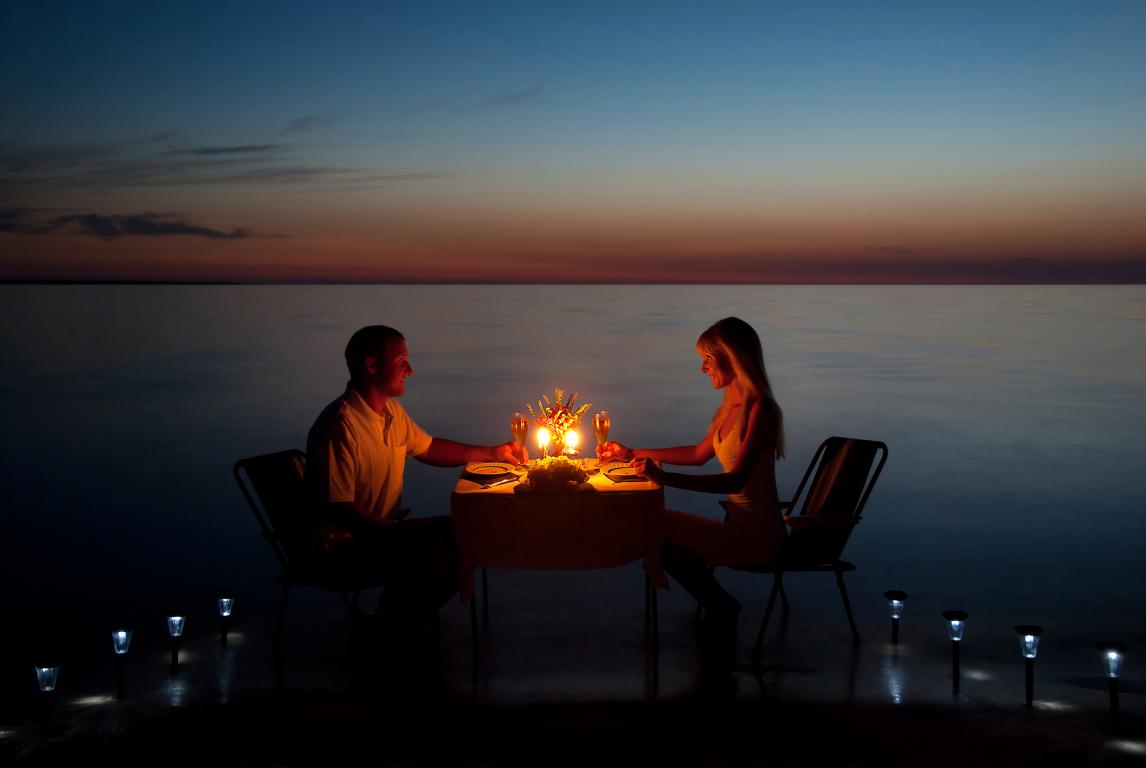
 A table for two at the beach
A romantic seaside getaway to surprise your partner with a unique dinner? Reserve a table on the beach of the Vivosa Apulia Resort in Salento. To complement the evening, the chef creates a menu based on fresh fish that he selects from the catch of the fishermen from Gallipoli or Torre San Giovanni. Salento farmers grow the vegetables used for the side dishes and the matching wines are Vigneti Reale, Salento Chardonnay, or Rosé Malvasia. www.vivosaresort.com
A romantic pampering getaway
Spa treatments for couples are pure relaxation at the beautiful Sonnwies in Luson, a stone's throw from Bressanone. The revitalizing bath with mountain pine essential oil in the luxurious whirlpool tub is the prelude to a long couples’ afternoon. And you can experience all over again the emotions of that first date with an exclusive couples’ tasting of the best South Tyrolean wines in the hotel's contemporary design wine cellar. www.sonnwies.com
Horseback riding holidays for couples
For sporty couples the Winklerhotels in South Tyrol have horseback riding holiday breaks. The quiet and sweet Haflingers, the horse with a mottled coat, three irresistible Shetland ponies, and Beethoven the friendly mule are just some of the horses in the Purmontes private stables. Judith Faller who is in charge of the riding school, organizes ad hoc private lessons and outings with the horses in the most romantic settings. www.winklerhotels.com/it/sporthotel/hotel-con-maneggio
A €1 billion-€1.5 billion investment
€1 billion and €1.5 billion These are said to have come from the US giant Hines, Manfredi Catelli’s Coima and Apollo Global Management, which recently invested €842 million in Italy to acquire a maxi-package of ex-Enpam real estate, which was then resold for a third to Coima itself. The figures put on the plate would be between €1 billion and €1.5 billion from Hines and Apollo, while Coima would propose a merger agreement with Edizione Property.
The Benetton sales outlets would not be involved
The operation is part of Edizione's reorganisation launched with the arrival at the helm of Alessandro Benetton and concerns a large part of a total real estate portfolio worth an estimated €2 billion spread over 13 different countries. The Benetton sales outlets (approximately 50%-60% of the entire portfolio) would not be involved in the negotiations.
The first Bulgari Hotel is scheduled for Rome
However among the assets would be prestigious properties such as the Roman palace in Piazza Augusto Imperatore, where the first Bulgari Capitoline is scheduled to open, as well as the Monaco and Grand Canal hotels in Venice. The sale would not be the only possible solution under consideration, as there would also be the division of the assets in equal parts to each of the four family branches belonging to Giuliana, Carlo, Gilberto and Luciano.
 San Domenico Museum - Ph credits Luca Massari
Forlì is best explored on foot or by bike
Like all towns in Romagna, Forlì - the Forum Livii of the Romans - is best explored on foot or by bicycle. Not far from the central Piazza Aurelio Saffi, with the Town Hall, the Abbey of San Mercuriale and the 15th-century bell tower, the San Domenico Museums hosts exhibitions, concerts and conferences. Running up to 10 July is an exhibition not to be missed: Magdalene. The Mystery and the Image, with 200 paintings of great historical and iconographic significance.
Sleep and dine in an ancient Renaissance city
In the Middle Ages the area of Tuscan Romagna was geographically and linguistically part of Romagna and subject to Florentine rule. Its jewels include the spa town of Castrocaro Terme and Terra del Sole, which today are a single municipality. Terra del Sole is an 'ideal city' built by Cosimo De' Medici in the 1400s. It is a rare example of a fortified Renaissance city and its original walls, as massive today as when they were built, are 13 metres high and two kilometres long. On top of the ramparts the Castello del Capitano delle Artigliere (www.castellocapitano.com) is a private home that welcomes guests in its splendid rooms (with Jacuzzis and even a grand piano) while in the Osteria del Castello (https://osteria-del-castello.business.site) you can dine, lulled by history, under the towering castle walls.
 Rocca di Ravaldino - Forlì
Curative thermal waters and a Memory of the World
The massive Rocca di Castrocaro fortress boasts views all the way to the Adriatic Sea, and for those who prefer a less onerous climb up to it, there are electric bicycles and the company of cycling guide Luigi Barillari (www.biketo.it). Equally fascinating is the Art Deco-style Grand Hotel in Castrocaro’s Spa Park. Famous for its annual song festival, it has thermal pools and health and beauty-farm facilities. In the historical centre of Cesena, which is less than twenty kilometres from the Adriatic coast, must-sees are the elegant façade of Palazzo del Ridotto, the handsome Piazza del Popolo and the extraordinary Malatesta Library. This has survived unscathed and untouched, exactly as it was five centuries ago, and in 2005 was listed as a UNESCO Memory of the World.

Breathwalking and Barefooting
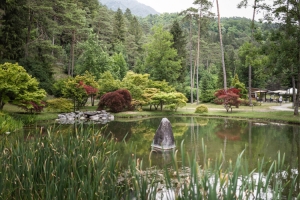
Each season offers unique experiences and there is the added advantage of Mind and body, in harmony, one of the Garda Trentino Experiences available through the summer up to 30 September. But at any time of year you can choose to walk barefoot along the Sensory Path of the Terme di Comano Park or breathe following the slow rhythm of nature thanks to breathwalking. And you can also practice forest bathing, barefooting (walking barefoot on paths) and conscious breathing, every week up to September.

Comano Thermal Park sensory path
Along the Parco delle Terme Sensory Path the natural materials and sensations change continuously. The path between the trees consists of eleven sensory stations and is for barefoot walkers who can have the company of spa operators, and access is free. Breathwalking is a revitalizing practice that combines yoga, qi-gong and chi-walking exercises, and means walking in a new, conscious way and in full harmony with one's breath and nature. Immersed in the woods of the Comano area there are numerous benefits, as it increases energy levels, facilitates mood control, brings clarity to the mind and helps to establish a deep bond with the environment.
For more info: www.gardatrentino.it




Jam-packed with programmes and events
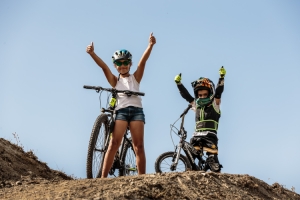
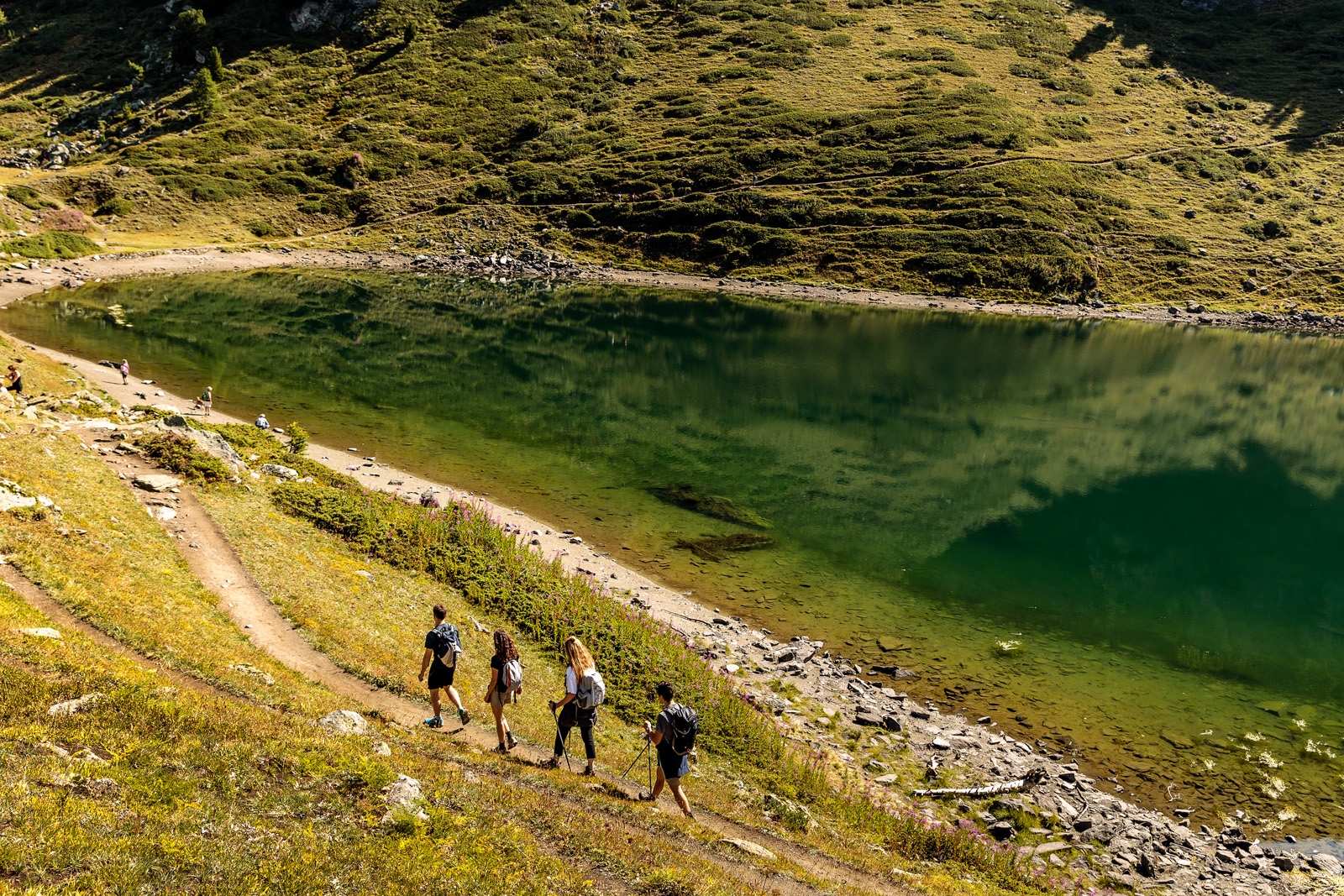
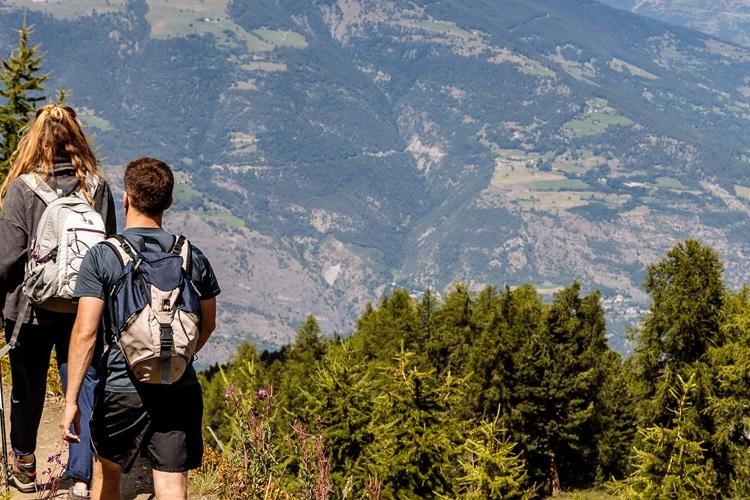
The summer season is jam-packed with programmes and events. Pila is known for its attention to children, and events such as Kids Open Day (3 July and 7 August) with free MTB/DH camp, magic shows, and theatre performances. Kids just love nature and visiting mountain pastures to indulge in sports, especially mountain biking.
Exciting biking competitions and exhibitions
Other activities include the e-mtb race on 9 July with electric bikes, and the Aosta-Becca di Nona event on Sunday 17 July now in its 12th edition, which includes two classic trails and a gourmet event at La Montée des Gourmants. To conclude, on 9-11 September the IXS European Downhill Cup, an international sporting exhibition, will be held in the now-historic Pila bike park, one of Europe's best-known and most technical venues.
Enjoy the thrills of freeride descents
There's no need for snow in Pila to enjoy the thrill of speed, as downhill mountain bike routes are available all year. The Bike Park consists of 17 tracks, including the Les Fleurs-Aosta freeride descent. The Pilabikeland track, which is some four kilometres long, also allows for cross-country rides. You can hire e-bikes and schedule an e-bike adventure with local guides when you arrive at the cable car station. A well-equipped centre for the rental of bicycles and other necessary equipment is also located near the Chamolé chairlift's exit, while the e-bike rentals are near the cable car terminal.
Curves and bumps on the Pumptrack
The Pumptrack, a 70-meter-long artificial course consisting of parabolic curves and bumps of varying proportions that may be navigated by everyone from beginners to experienced riders, is right at the cable car terminal. There is also a small skills area next to the Pumptrack where you can improve your driving style thanks to the obstacles along the path.
A superior cardiovascular workout
Nordic Walking with snowshoes exerts more energy than walking without snowshoes, and thus is a superior cardiovascular workout. It is practised all over the world, but in the thin and aromatic air of Pila's woods, it is something quite different. A map is accessible at the Aosta-Pila cable car terminal information point.
Complexes with gyms, swimming pools, and security services
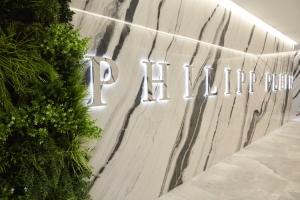
The complexes will be built under the guidance of fashion designer Philipp Plein and his architects, with a layout that will reflect the style and identity of the fashion brand. The interiors of the buildings have been entrusted to Roberto Regondi, art director of Milanese tech company Brera Contract, specialized in interior design and media solutions. The complexes will have large apartments and the most modern and luxurious comforts including a gym, swimming pool, spa, large terraces, relaxation areas, laundry and security service with cameras on all floors.
Marrying luxury fashion with residential accommodation
News about Philipp Plein"We decided on this partnership with one of the most exclusive brands on the international scene, and one with the greatest growth potential in the top luxury sector. Its style is in line with ours - underlines Emiliano Di Bartolo, CEO of G Rent. - We define ourselves as trend-setters in Italy, being the first to bring a super luxury fashion brand to managed residential accommodation."
7,000 visitors and 150 exhibitors from 15 countries
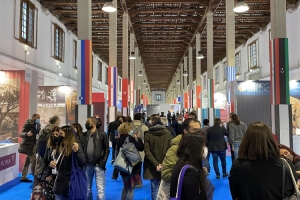
The aim is to enhance the value of archaeological parks and museums, promote archaeological tourism destinations and contribute to seasonal adjustment and employment. Government organizations, institutions and local authorities will get to meet professional businesses, travellers and the media. In all there will be 7,000 visitors, 150 exhibitors from 15 countries, 110 conferences and meetings, 30 European and Italian buyers, 140 supply operators and 120 journalists.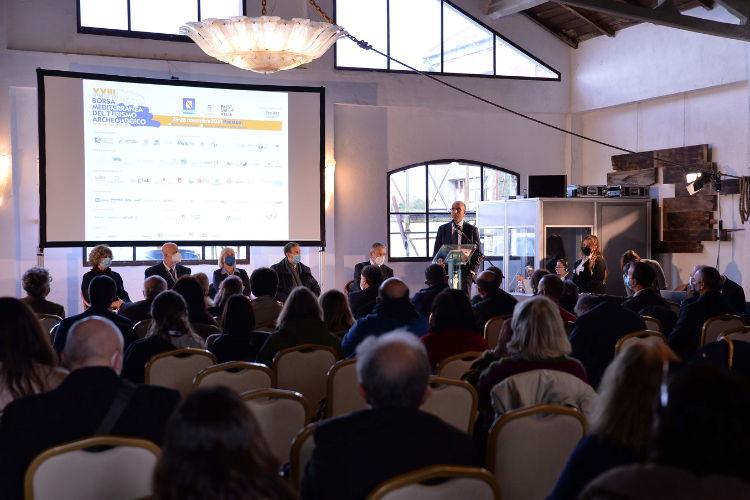
Workshops, press conferences and multimedia exhibitions
The BMTA has 16 sections: from workshops to press conferences to multimedia exhibitions featuring government and trade organizations and local authorities, as well as meetings with industry players and the general public, archaeologists, museum directors, academics, and journalists. 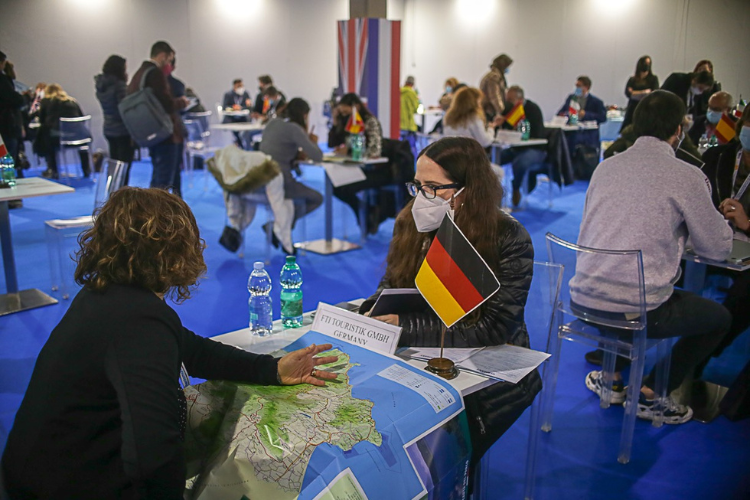
Destinations from 18 Italian regions
Many archaeologically-themed prizes will be awarded including the International Archaeological Discovery Khaled al-Asaad award for the archaeological discovery of the year, and the Antonella Fiammenghi Prize for the best degree thesis on archaeological tourism or on the BMTA. Tourism destinations from 18 regions will be present in the Exhibition Hall, there will be guided tours for speakers, journalists and visitors to the archaeological sites of Paestum and Velia, and workshops for European specialists selected by Enit.
Terraces overlooking the sea
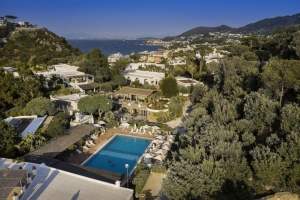
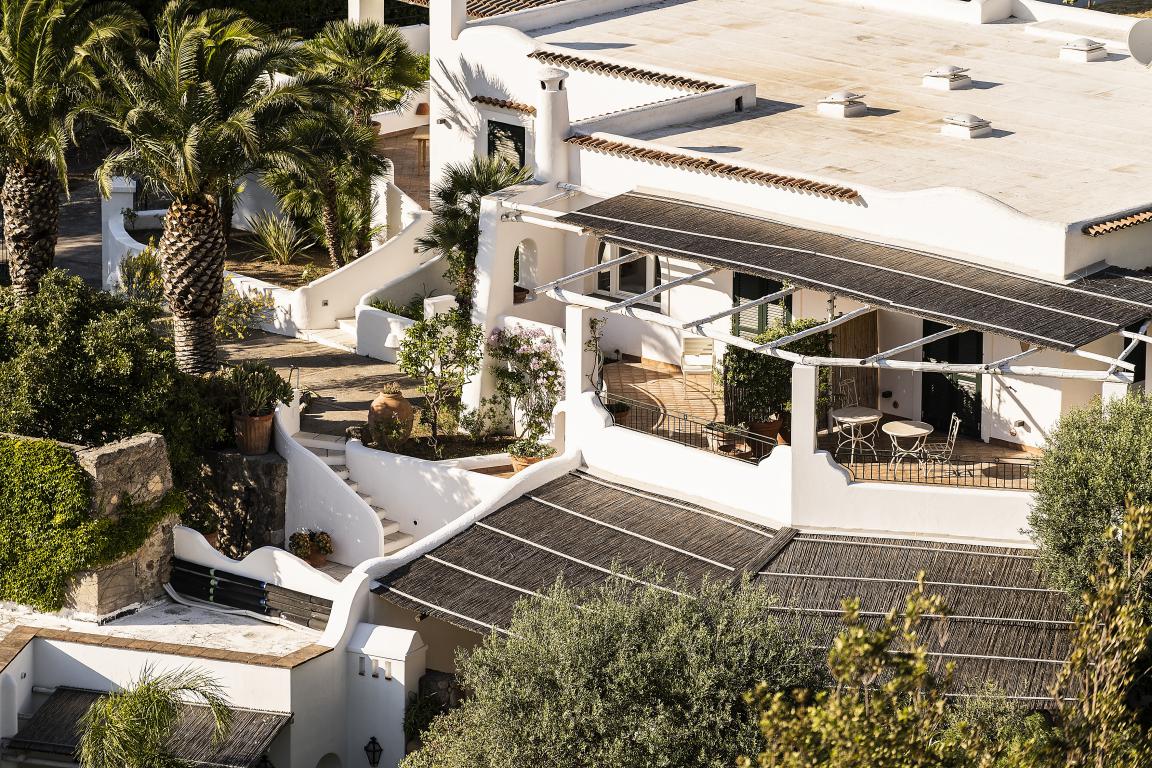
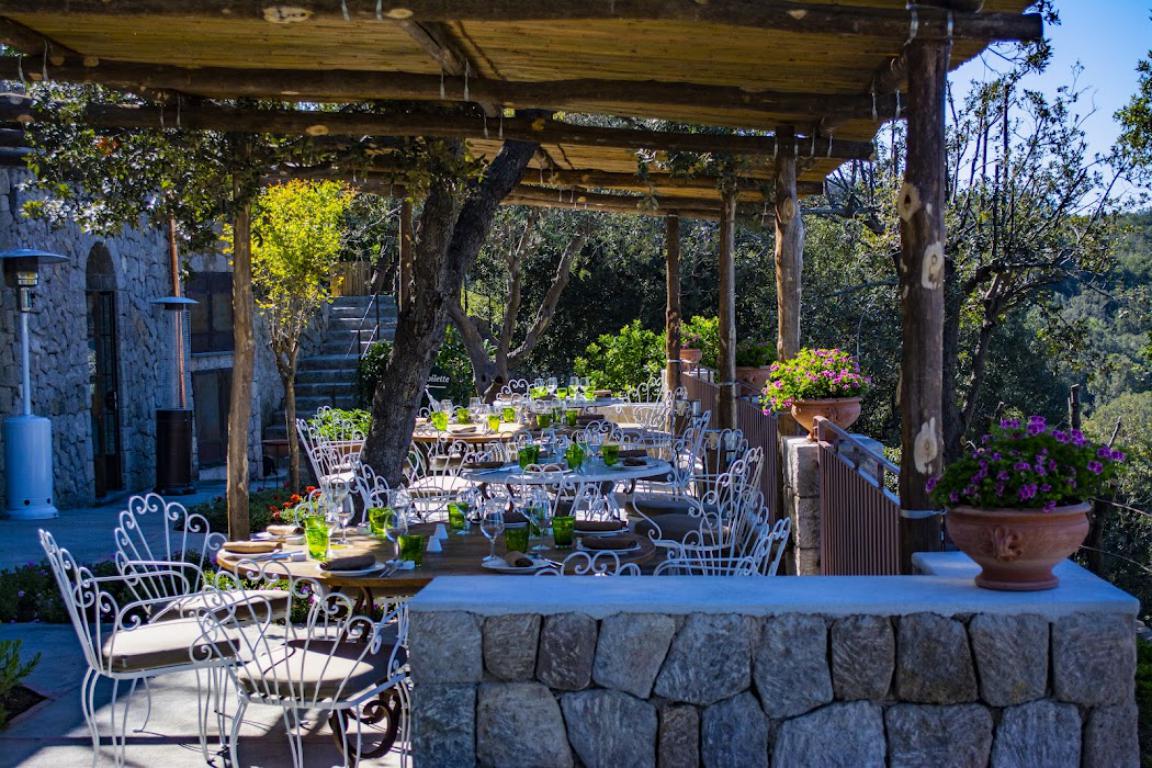
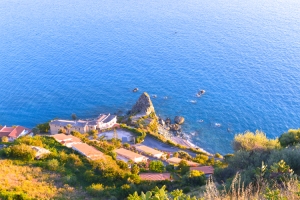
Wellness treatments can also be requested en plein air overlooking the gulf, and there are also new paths along the terraces overlooking the blue Mediterranean Sea. These are perfect for picnics and meditation sessions, and the fully equipped gym has the latest generation of outdoor gym equipment.


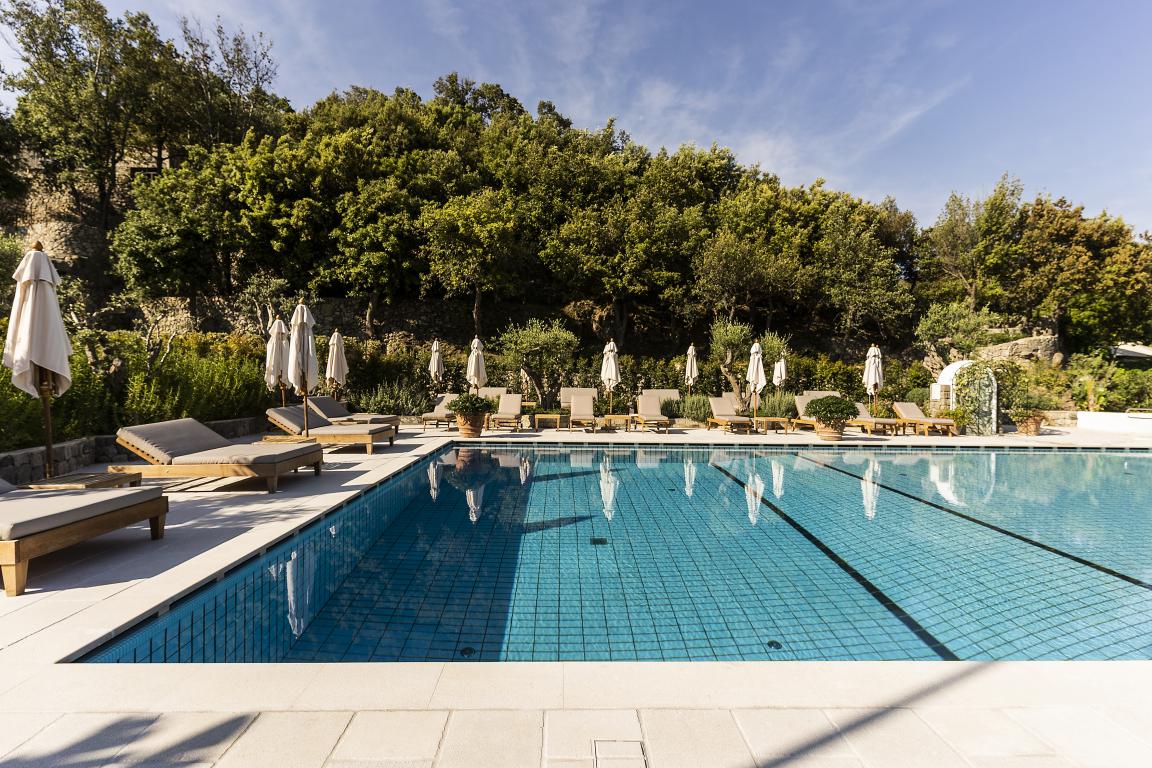


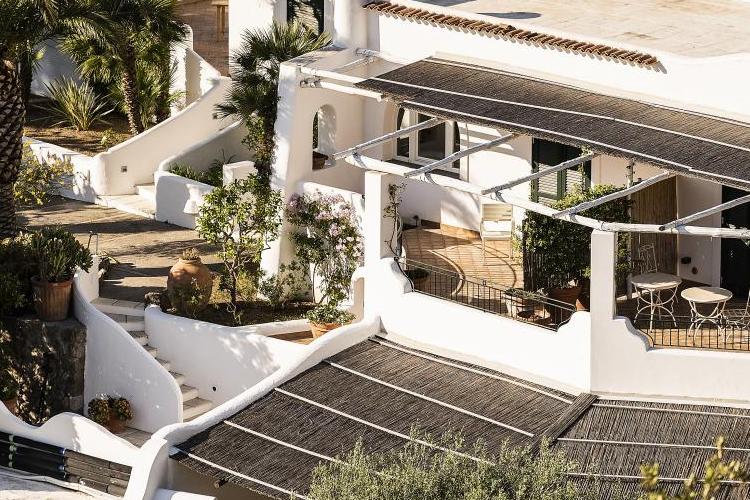


Detox in the Garden Spa
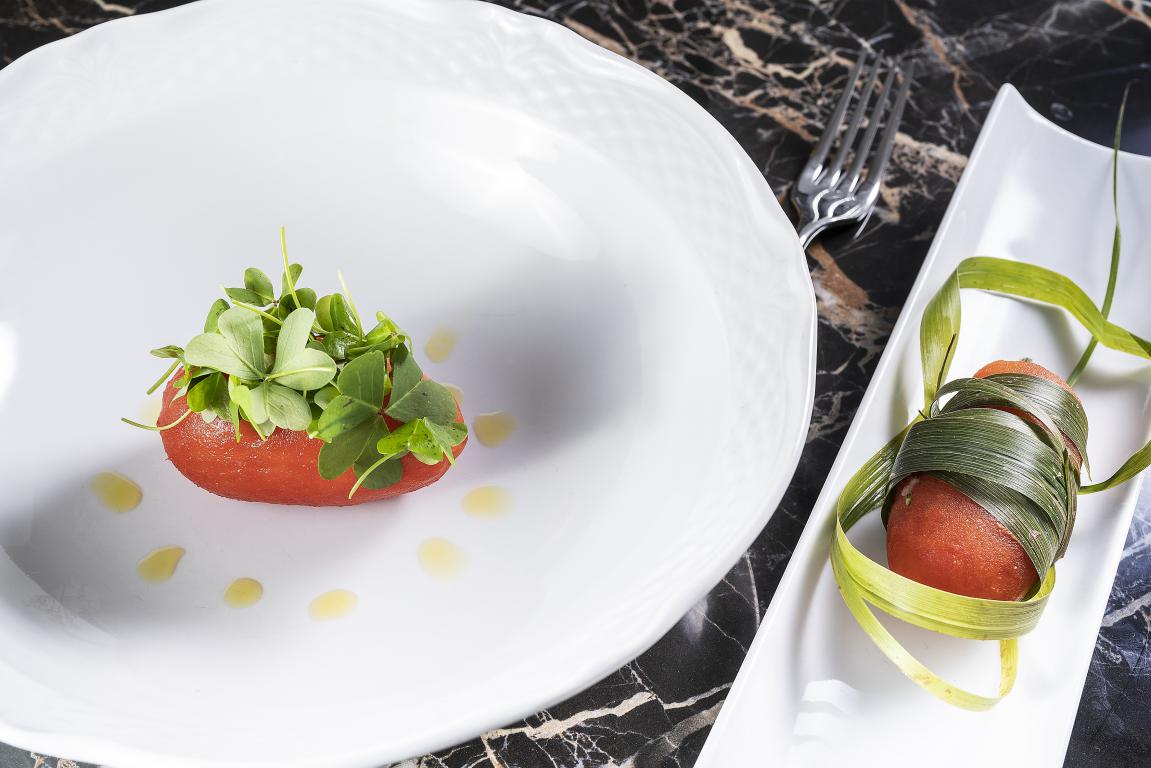
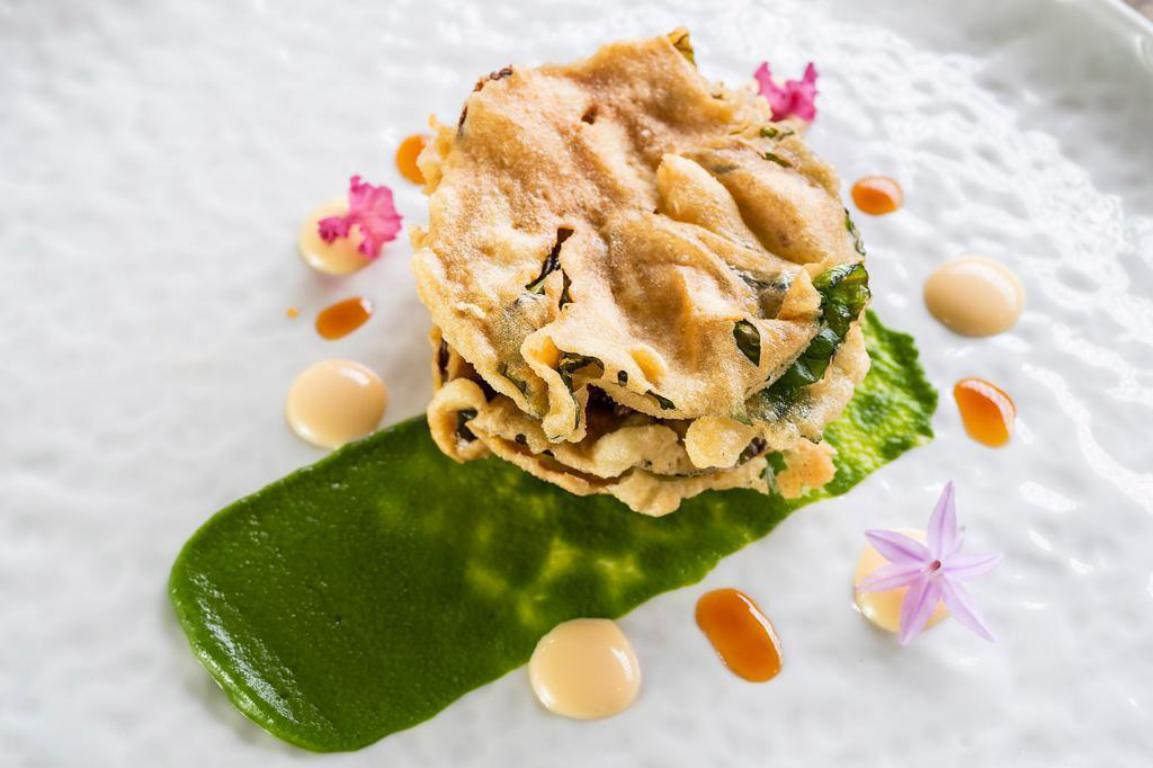
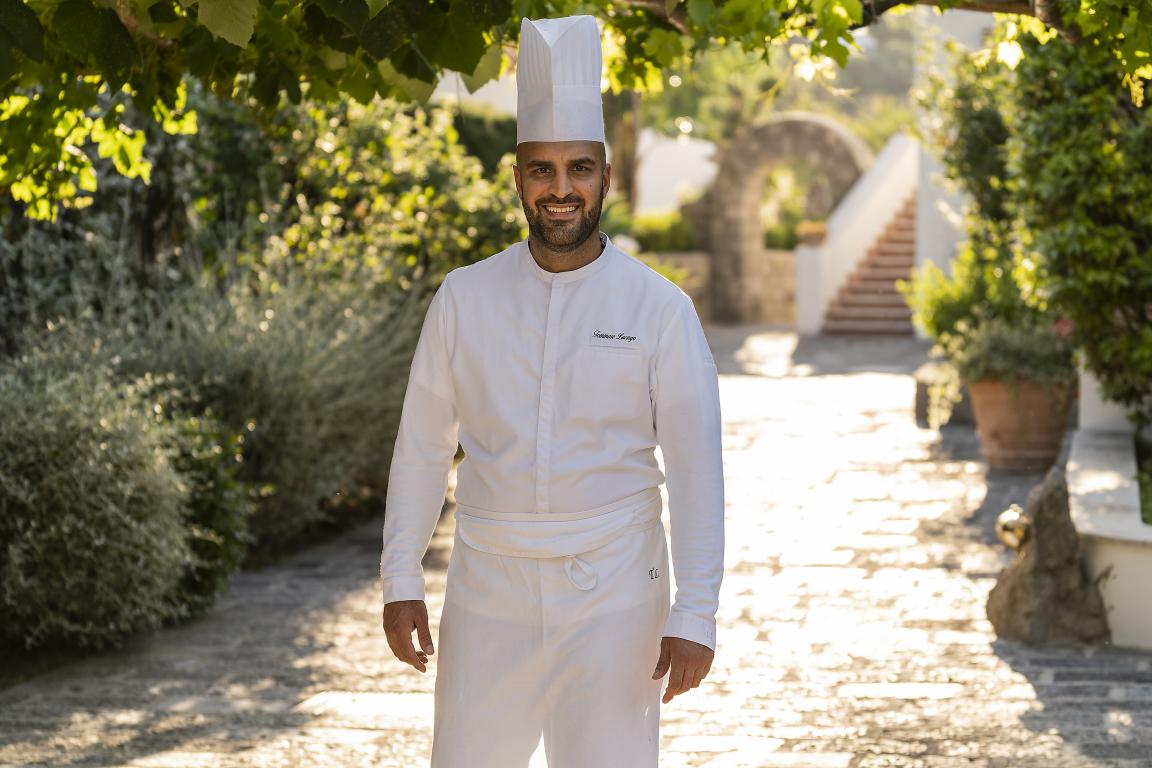
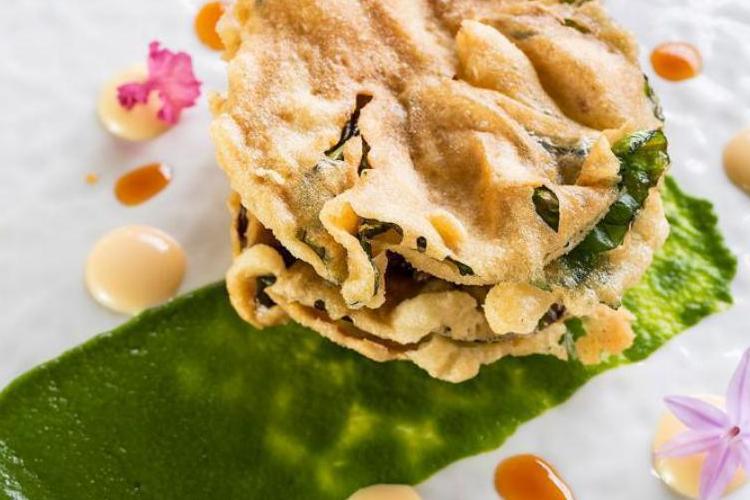
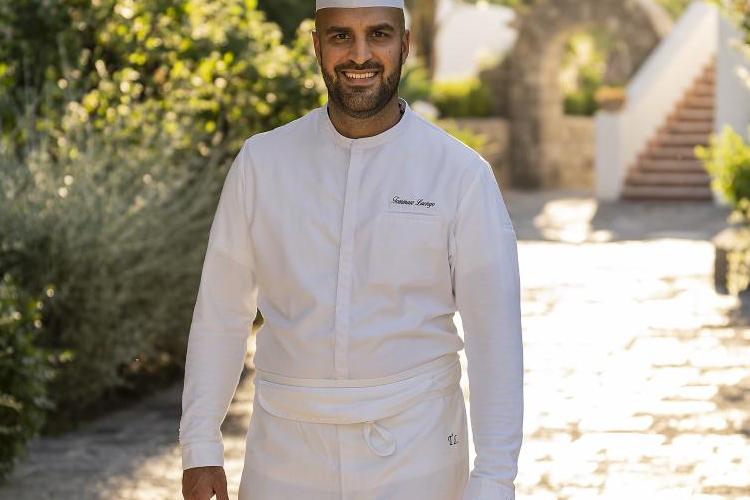
The new Nourish & Wellness programmes in the Garden Spa are personalized sessions dedicated to drainage and detox, guided by the therapists and personal trainers, and blend with the balanced personalized meal plans created by Executive Chef Tommaso Luongo.





The Nonna Mari restaurant has an open kitchen
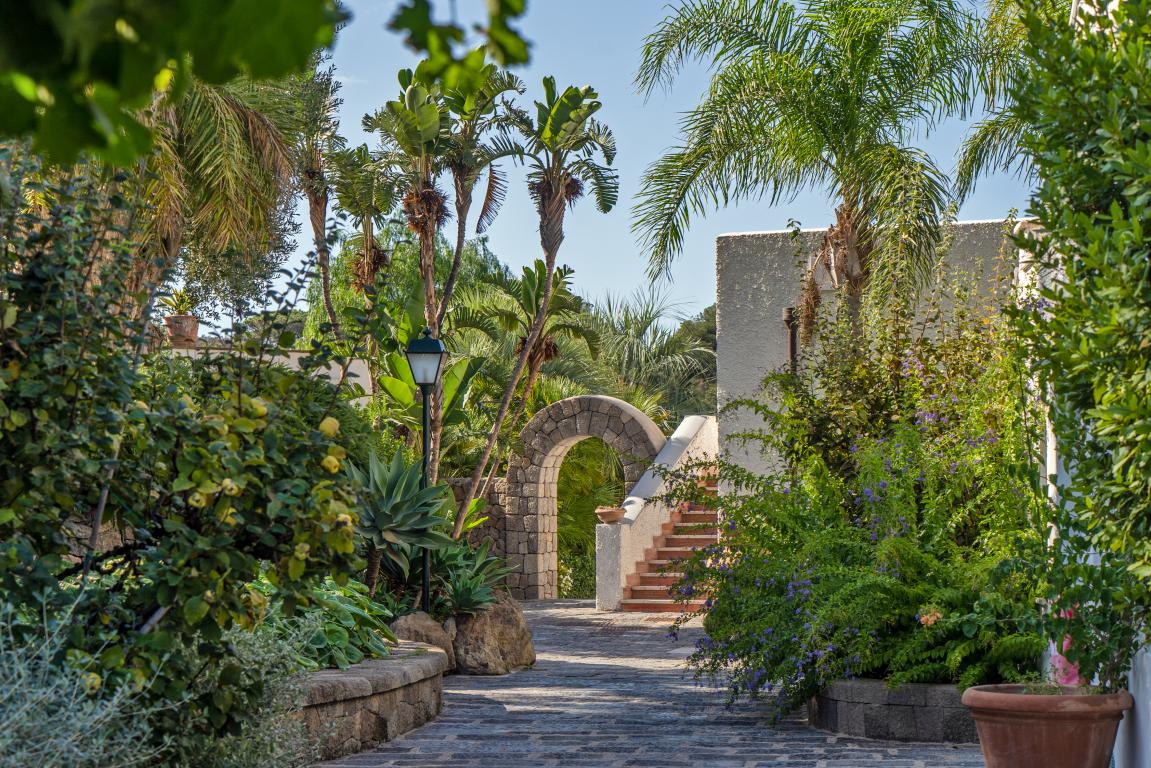
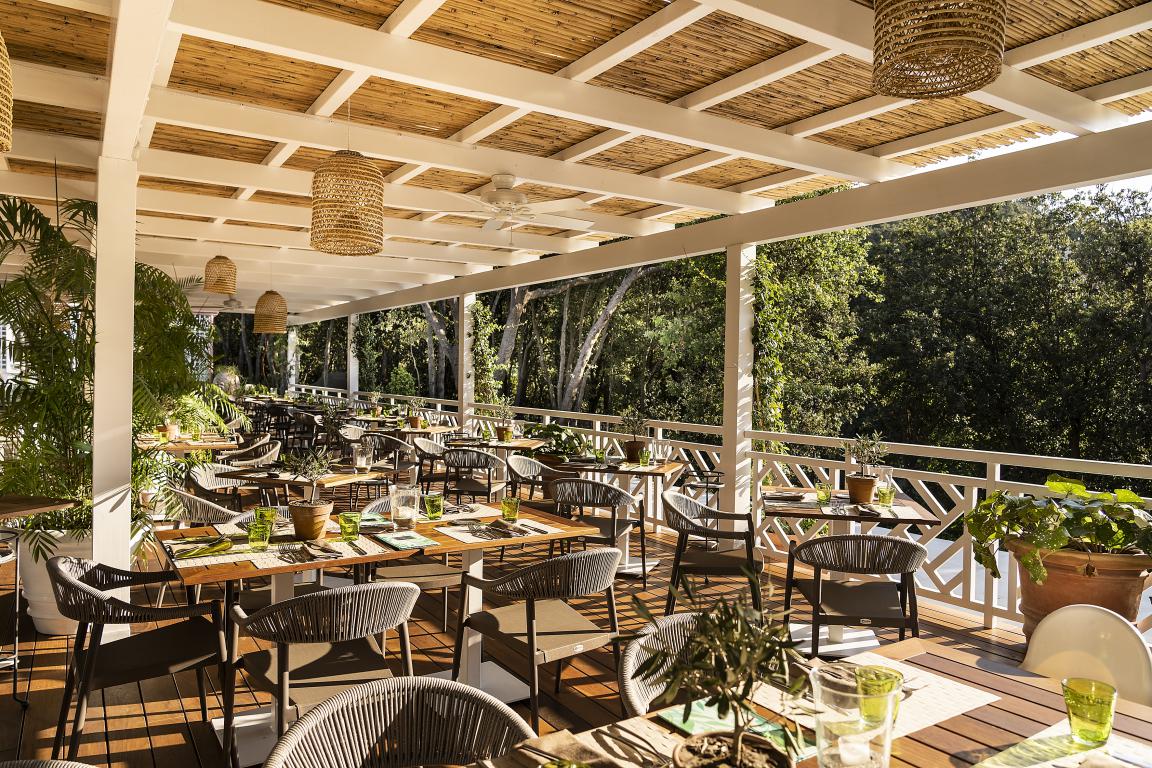
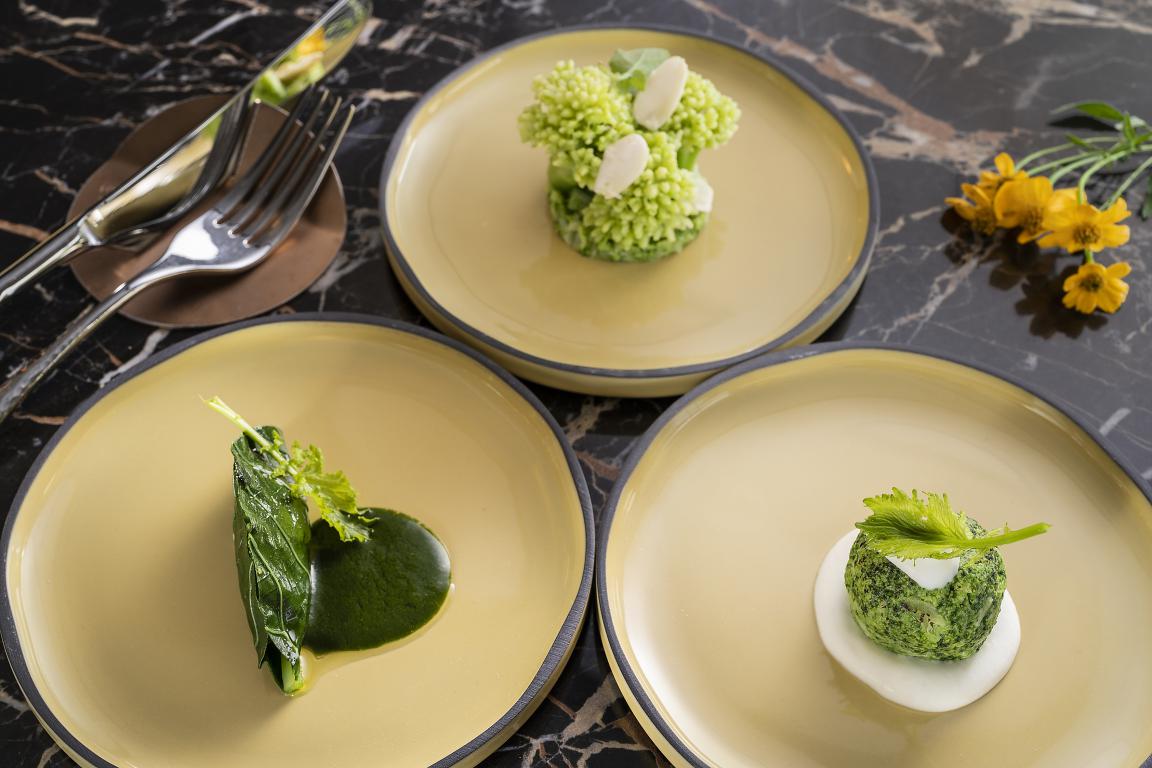
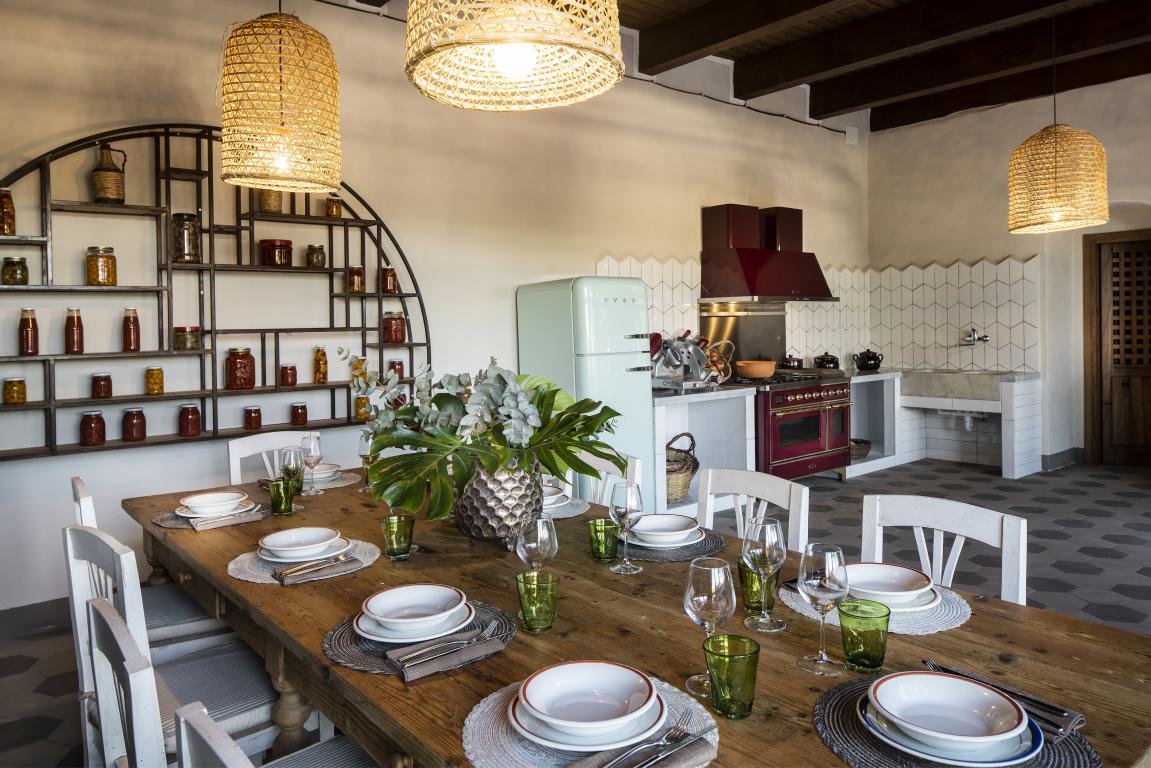
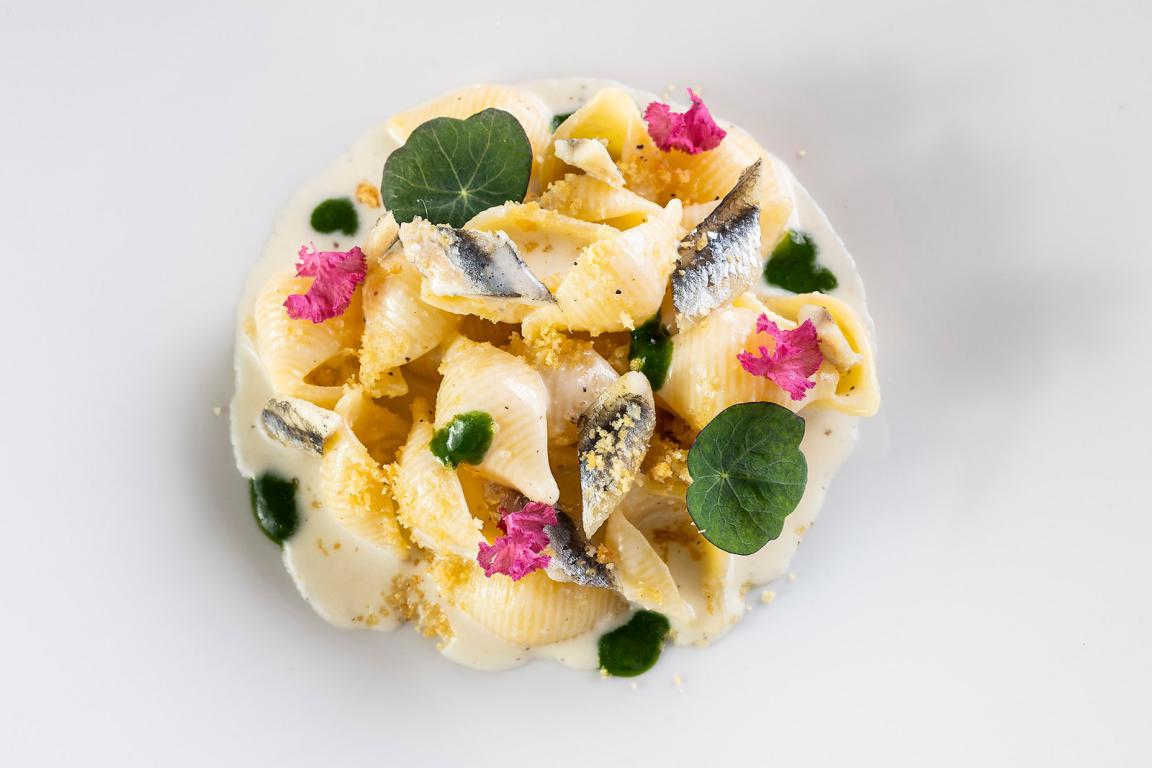
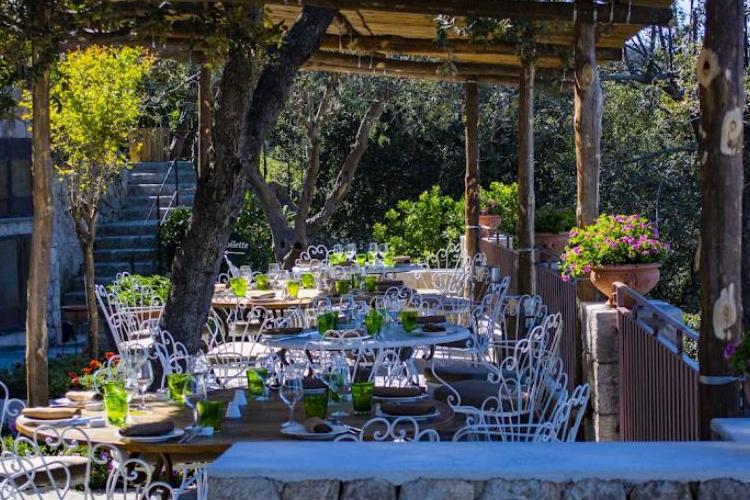
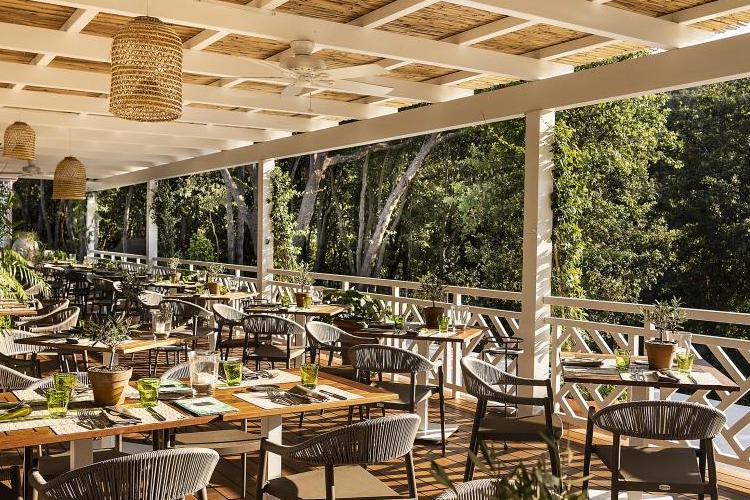
Having opened the first vegetarian restaurant on the island, this year Chef Luongo is unveiling Nonna Marì, a gastronomic corner on the natural terraces of the park that amps up the simplicity of Italian culinary traditions. The open kitchen has large windows overlooking the garden, and many of the dishes include fruit from the Hortus Saporum, the Relais’ organic vegetable garden.
The island’s first mixology menu
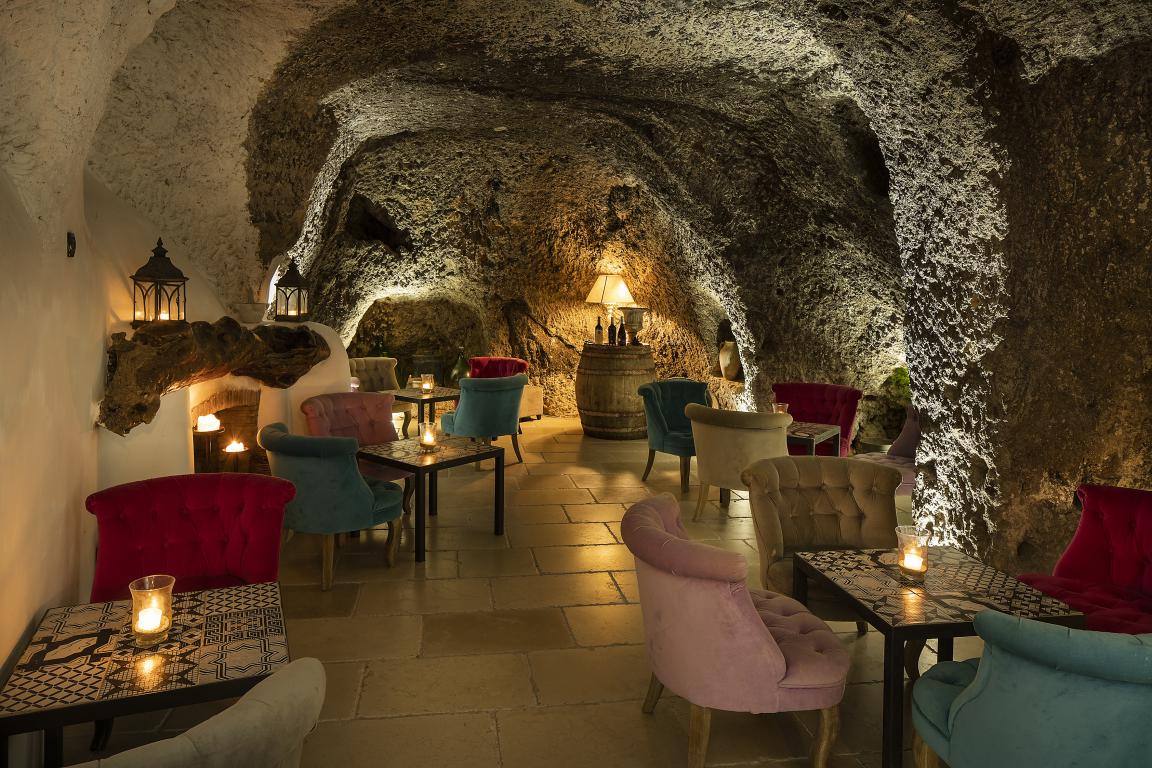
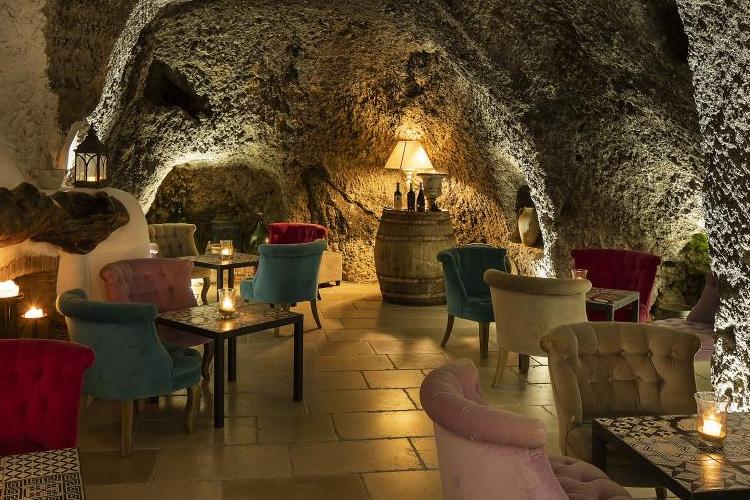
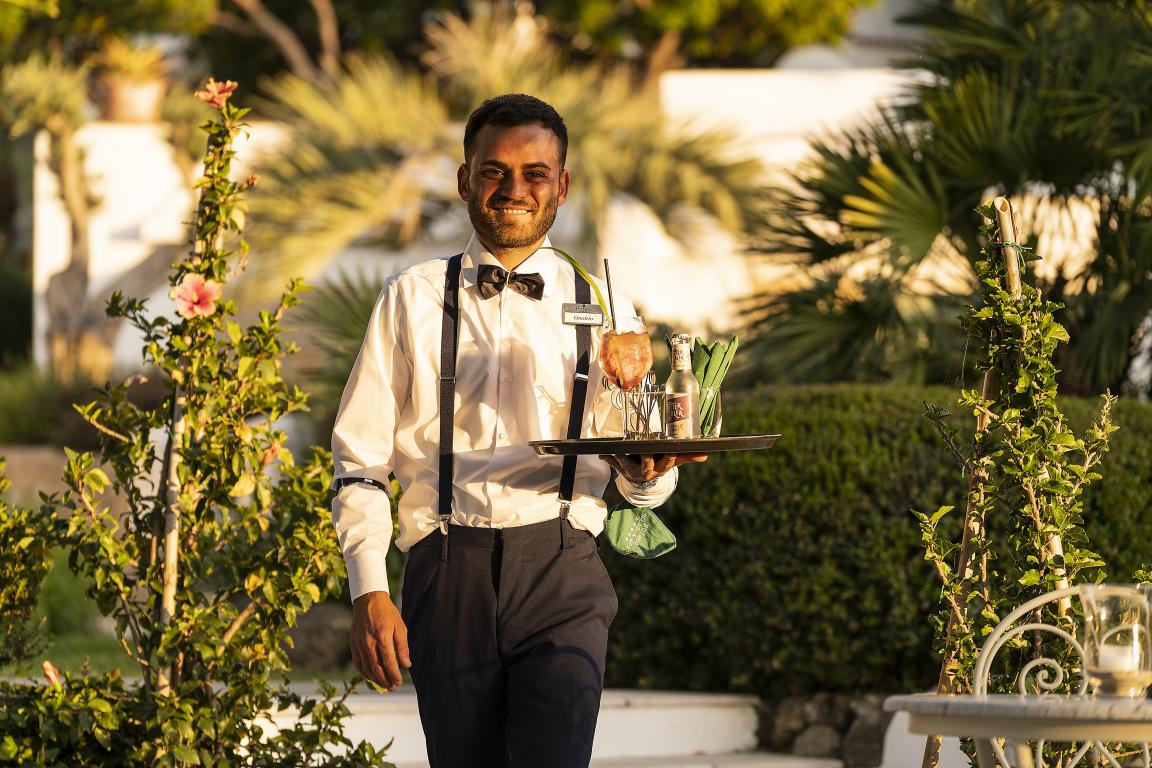
Last but not least bartender Onofrio La Monica is on hand to help guests choose from the island's first mixology menu, the Garden in the Grotto. This range of creative and daring cocktails is based on homemade, 100% natural essences collected and extracted from the many species of flowers and herbs growing on the estate.



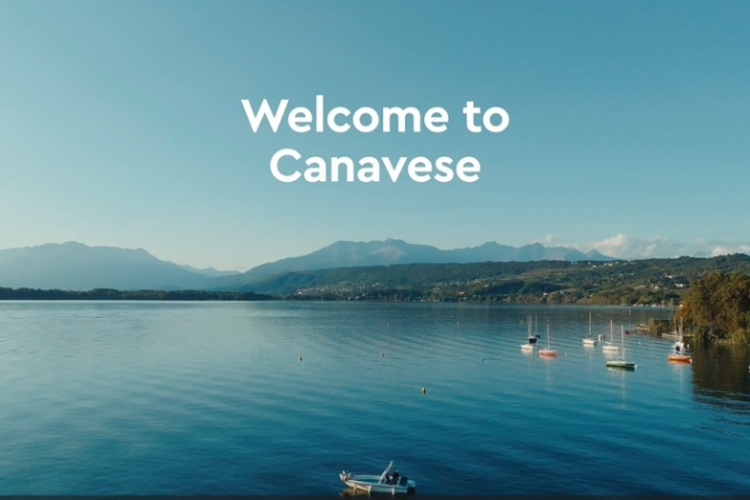
Welcome to Canavese, an unexpected corner of Piedmont where …
849Welcome to Canavese, an unexpected corner of Piedmont where …
849
