




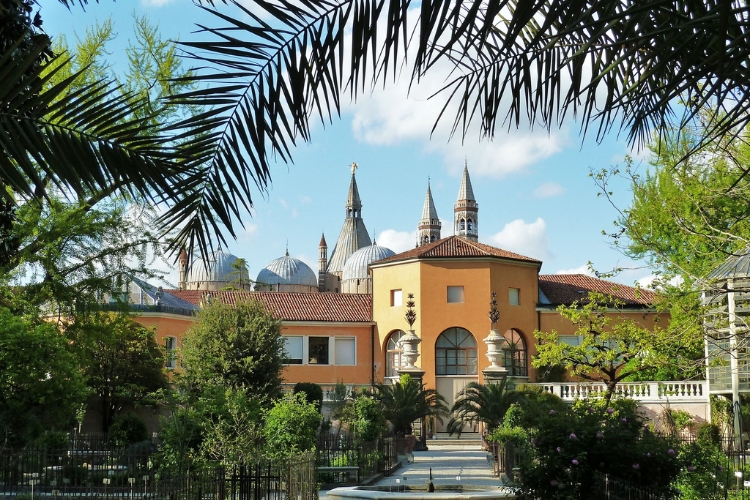












The Botanical Garden of Padua, or Orto Botanico di Padova, is a journey through science and nature, and is a UNESCO World Heritage site.
The circular plot is surrounded by water
This garden holds the distinction of being the world’s oldest university botanical garden, having been established in 1545. Its iconic design features a circular central plot surrounded by a ring of water, reflecting the Renaissance-era vision of the world. Down the centuries ornamental entrances and wrought-iron gates were added, but the Garden has maintained its original purpose as a center for scientific research and a testament to the enduring relationship between science, culture, and nature. 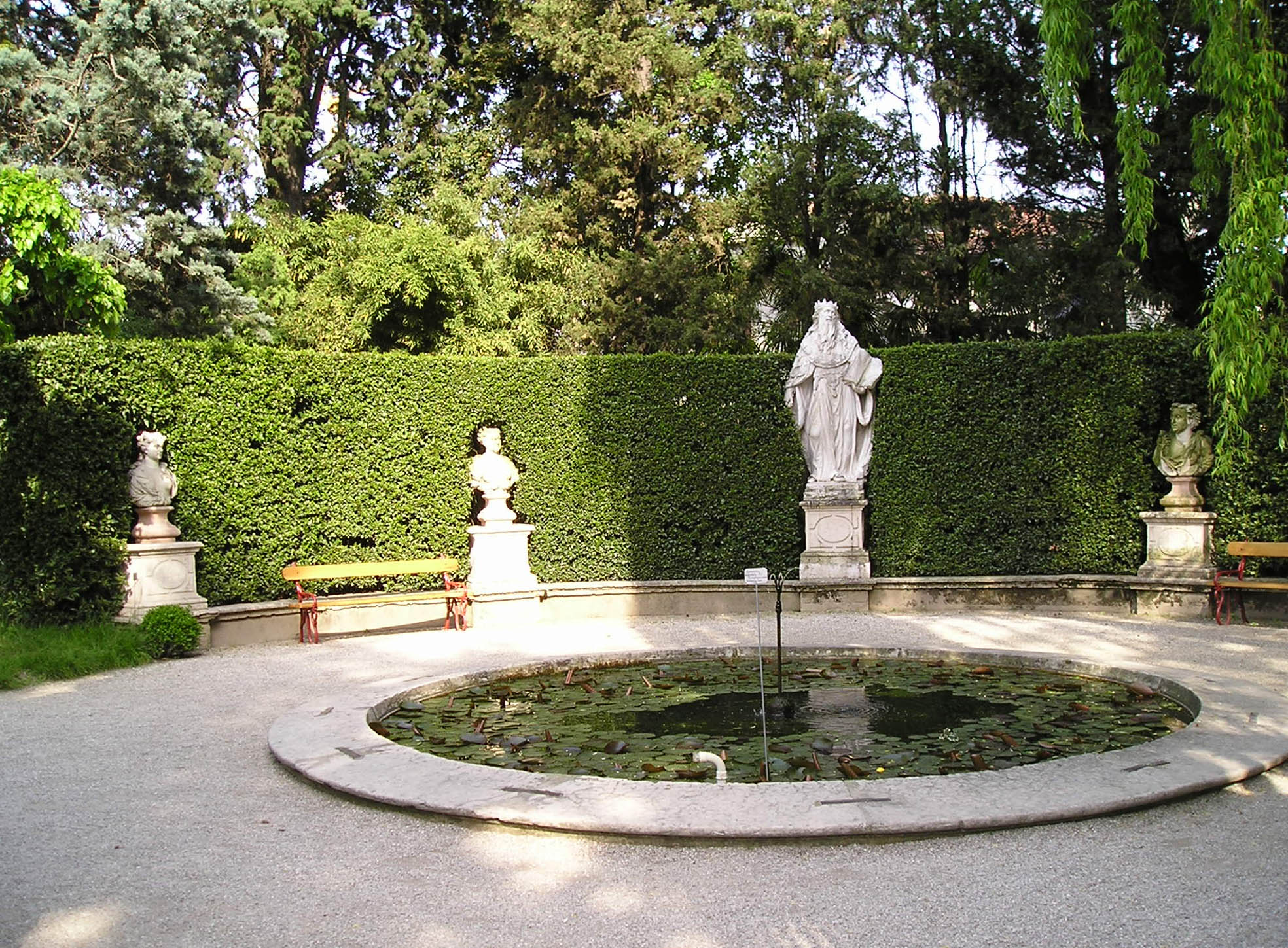 ph credits: Semolo75
Less than an hour from Venice
Reaching the garden is convenient whether traveling by air, train, or car. The nearest major airport is Venice Marco Polo, situated about 40 kilometers away, from where trains and buses depart for Padua. The city’s central train station offers regular services from Venice, Milan, and Bologna, and for those traveling by car, the A4 motorway leads directly to Padua,
The garden is beautiful all year round
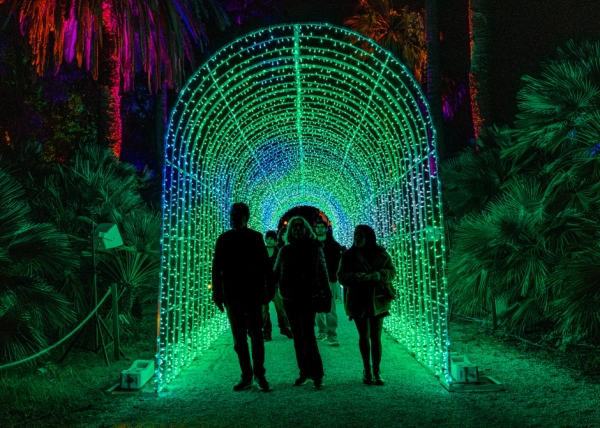
Visitors can immerse themselves in a world of over 6,000 plant species, ranging from medicinal plants to rare and exotic specimens. The historic circular layout is crisscrossed by symmetrical pathways, and the library and herbarium house more than 50,000 volumes and manuscripts, while tin he modern greenhouses the focus is on conservation and plants from tropical and desert climates. Spring and early summer, particularly from April to June, are the best times to experience the garden’s vibrant beauty, while in September and October it offers a cooler atmosphere.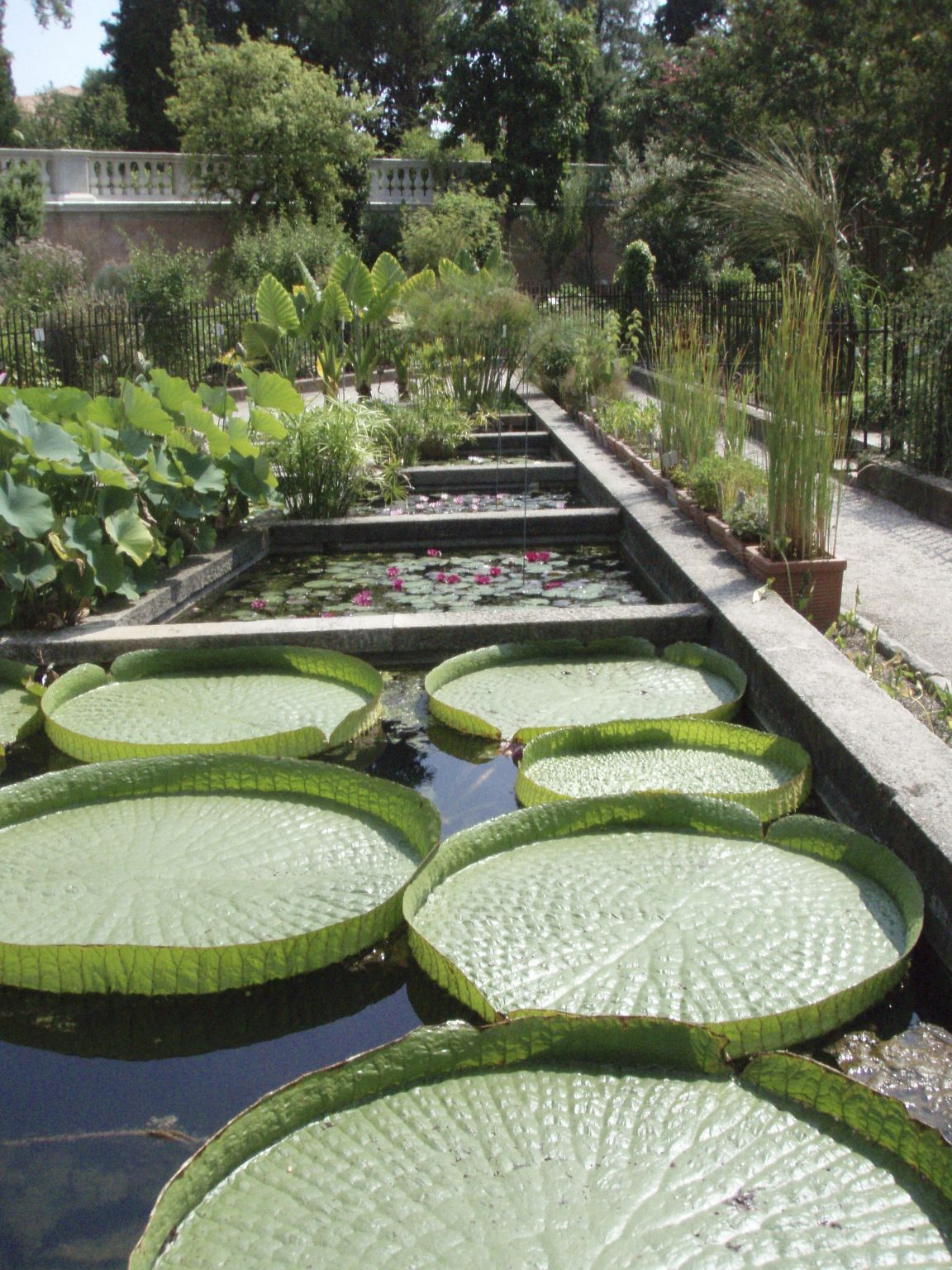 CREDIT Oursana
So many things to see in Padua
It is well worth spending time in Padua for its wealth of cultural and historical attractions. These include the Scrovegni Chapel with Giotto’s magnificent frescoes. This chapel is one of the eight buildings in the city with frescoes that have gained UNESCO status. The Basilica of Saint Anthony houses many personal relics of the saint in its Treasury and attracts pilgrims from all over Italy and the world. The city also has the famous Caffè Pedrocchi, known as the “café without doors” as, until the early 20th century, it remained open 24/7. The signature drink is the Pedrocchi Coffee, a creamy espresso served with mint cream and dusted with cocoa, and it also serves pastries, light means and cocktails, welcoming patrons throughout the day.


