












Trenitalia is racing towards the future, investing €2 billion in 74 new trains by 2030.
 The Frecciarossa as the “best train in Europe”
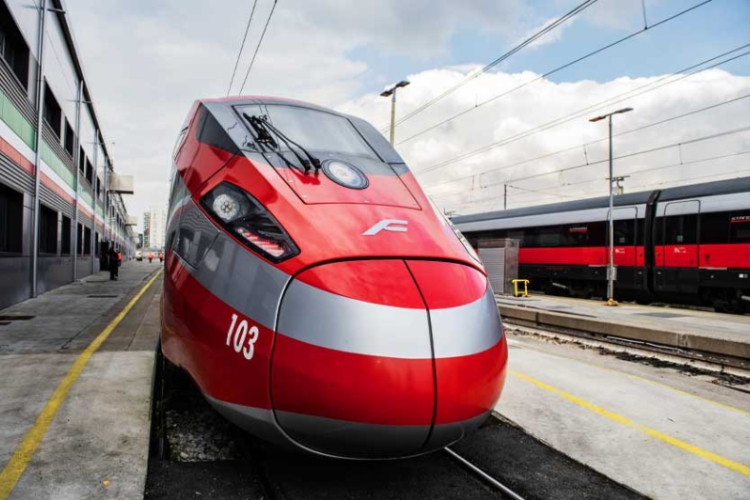
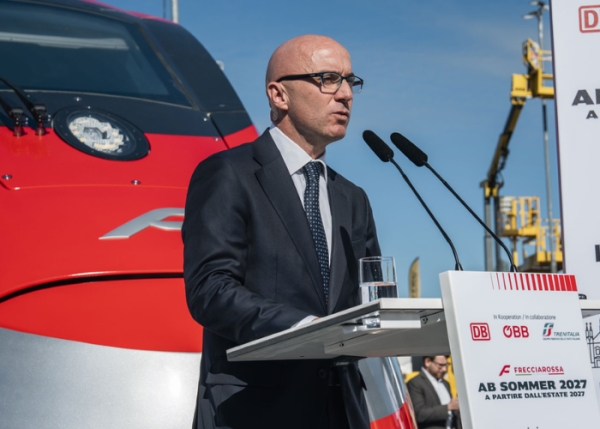
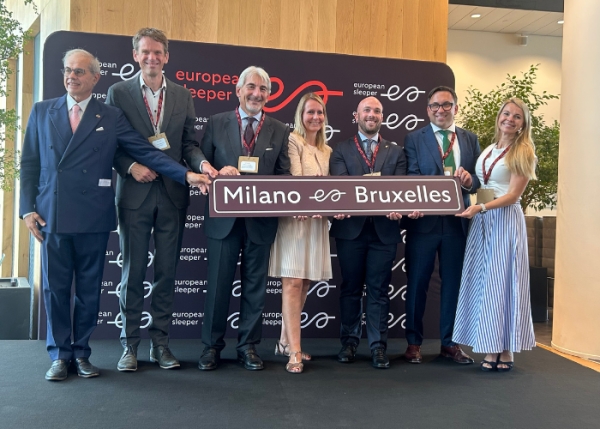
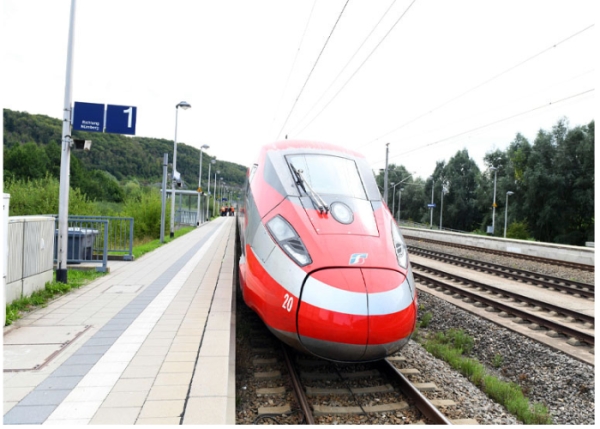
The investment is aimed at securing high-speed rail leadership and redrawing the boundaries of national mobility, and at the Masseria Winter Edition Forum Gianpiero Strisciuglio, CEO and general manager of Trenitalia confirmed a plan focusing entirely on capacity, technological innovation and an open challenge to international competition. The core of the operation is the expansion of the fleet: by 2030, 74 new Frecciarossa 1000 trains will be put into Italian and international service. This is not just a question of numbers, but a profound rebranding aimed at consolidating the Frecciarossa as the “best train in Europe”.
Looking at cross-border expansion
The stated objective is twofold: to increase frequency on the busiest routes and to support cross-border expansion, offering the train as a real structural alternative to medium-haul flights. “2026 continues the plan to upgrade Trenitalia's fleet, which has its successful product and brand in Frecciarossa,” explained Strisciuglio, emphasizing that the use of recyclable materials now exceeds 95% of the structure of the trains.
The Italian regional fleet the youngest on the continent
The renewal clearly cannot overlook local transport and by 2027 the Italian regional fleet will be the youngest on the continent, with an average train age of between five and ten years. To date over 80% of regional vehicles (more than 1,000 out of a total 1,300) are already of the latest generation. At the same time, the Intercity segment will see the introduction of over 30 new trains based on hybrid, electric and battery technologies, which are essential for ensuring efficiency and sustainability even on lines that are not yet fully electrified.
Boosting on-board services
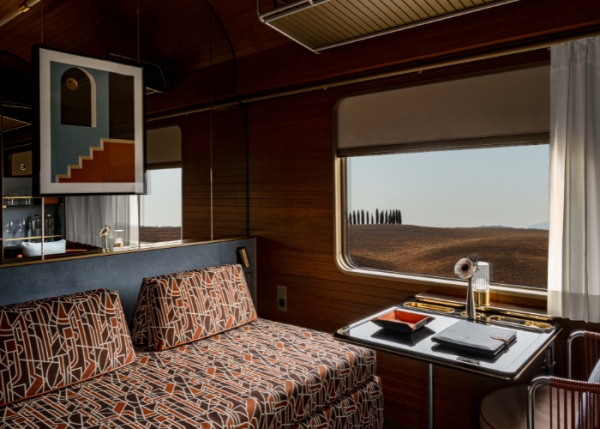
There are also new developments for on-board services, with a focus on connection quality. Trenitalia has already successfully tested a proprietary 5G network on the Turin-Milan route, with excellent performance. However, the company is not ruling out alternative solutions to eliminate dead spots, including satellite technology. “We are obviously very attentive to the issue of on-board connectivity and are studying many solutions,” said the CEO on the possibility of using Starlink, adding that the goal remains to respond to “one of the aspects most requested by our customers.”
Increasing supply and improving track saturation
From an economic point of view, explains a company statement, this impressive introduction of new Frecciarossa 1000 trains responds to the need to increase supply and improve track saturation, supporting revenue growth with the same available infrastructure. In a liberalized market that has seen demand explode, the FS Group's strategy aims to strengthen the contribution of high-speed rail to overall profitability.


